Through fishing, hunting, and foraging, communities in North America harvest wild foods for food and recreation. This self-provisioning takes place within complex social-ecological systems and has important implications for the health and well-being of self-provisioning fishers who may be exposed to contaminants. Our work in this area aims to better understand the roles wild sourced foods play in food security in the US through various lenses such as nutrition, food sovereignty, resource access, equity, and resilience to environmental or social change.
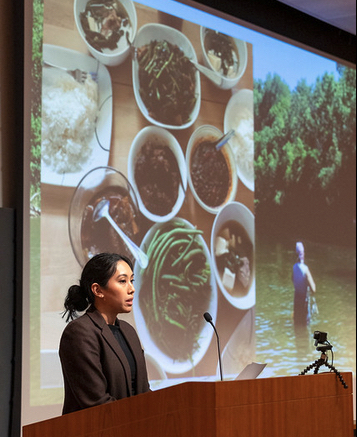
In Upstate New York, we are working with Burmese immigrant communities to understand how their experiences of access to natural resources, including fishing and hunting, has shifted with their moves to the US.
Photo: Graduate student Nicole Venker presenting at the Migrations Research Forum. Photo by Simon Wheeler.
We also examine upstate New York’s wild and backyard food production and consumption as related to food security, well-being, and the expression of agency within the COVID-19 shock to the social-ecological food system.
Photo: wild black raspberries in an upstate New York backyard. Photo by J.L. Coffin-Schmitt.
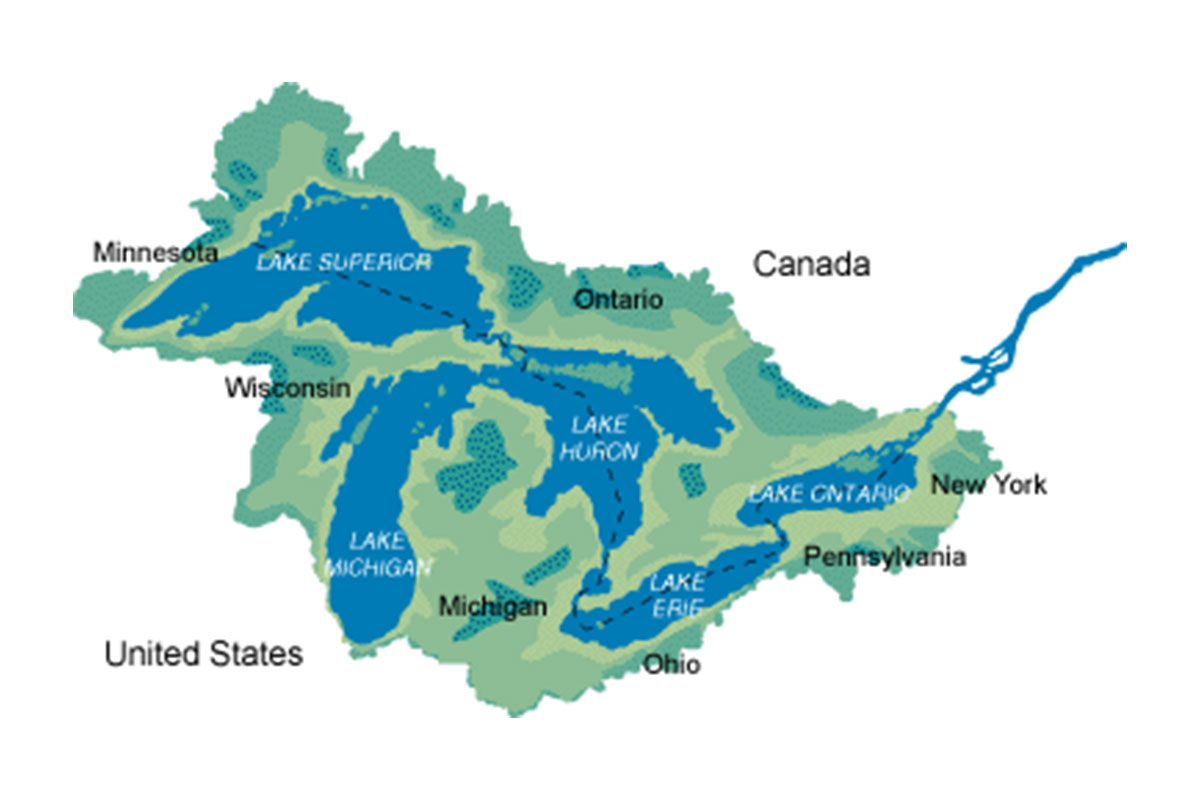

We are examining the importance of wild provisioning fisheries in the North American Great Lakes as collaborators on a project (The Provisioning Fisheries Project) led by partners at Carleton University
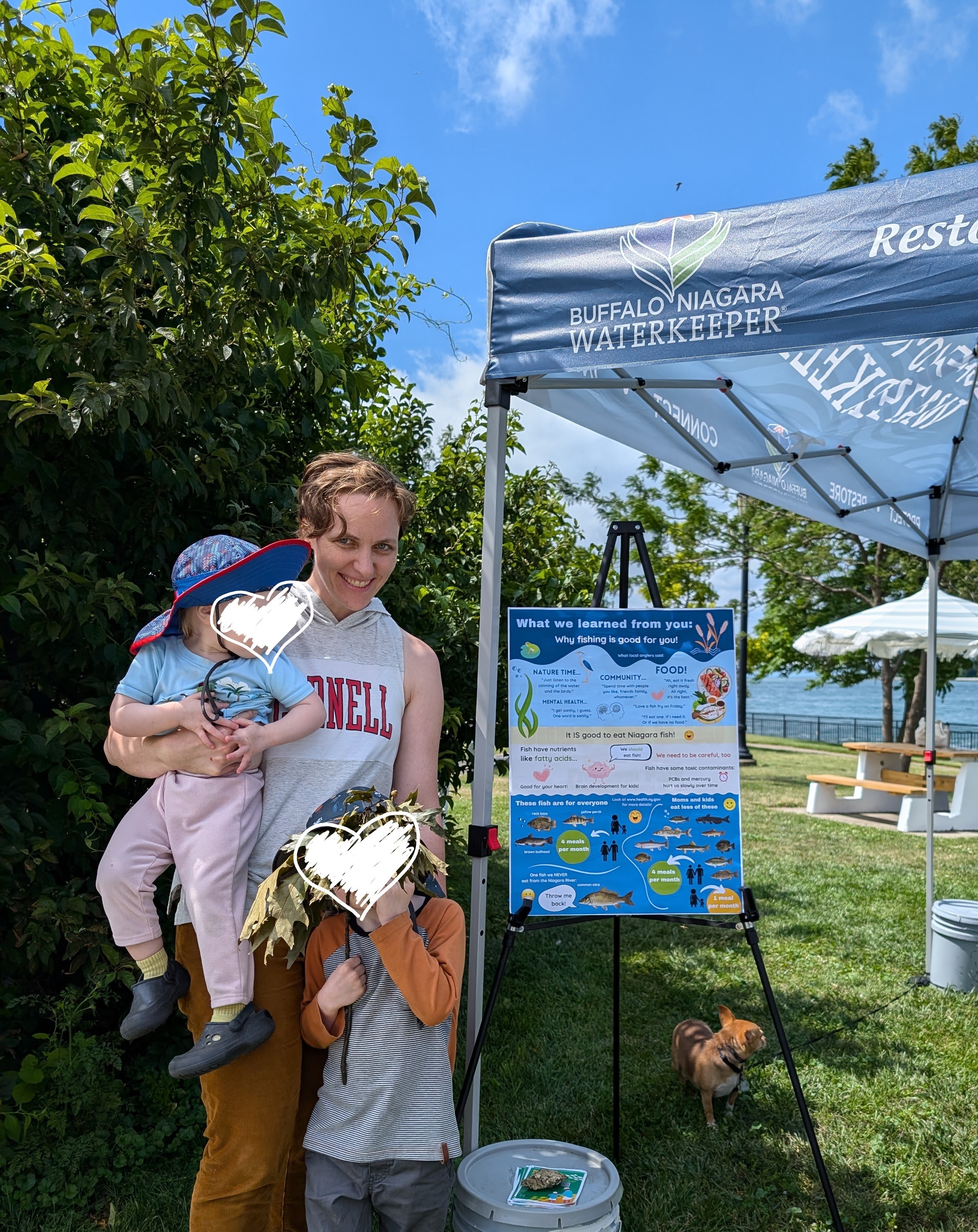
On the Niagara River in Buffalo, NY, one case study within this project works to understand how urban, recreational fishers and anglers balance perceptions of benefits and perceptions of fish contamination risk in their fishing and self-provisioning practices.
Photo: Graduate student Jeanne Coffin-Schmitt sharing educational outreach on benefits and risks of local fish consumption at Family Fishing Days 2023 on the Niagara River.
Photo by A.W. Coffin-Schmitt.
See our public scholarship page for educational poster close up.
Example projects:
Funding:
These projects are supported by the Mellon Just Futures Initiative, Cornell Migrations Global Grand Challenge, a Cornell Atkinson Center COVID-19 Rapid Response Fund award, Great Lakes Fishery Commission Human Dimensions of Great Lakes Fishery Management Grant, Cornell Center for Social Sciences QuIRI grant.

